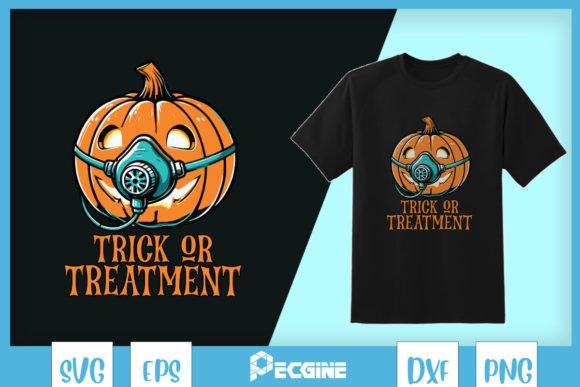
Trick or Treatment Nurse Halloween SVG for Embroidery Projects
When a new embroidery design file lands in my project folder, my first thought isn't just about the artwork—it's about the thread. How will this look when it's stitched out? For the Trick or Treatment Nurse Halloween SVG, it’s immediately clear this isn't a generic holiday graphic. It has a specific, playful personality that makes me start picturing it on fabric.
The Charm and Practicality of This Halloween Character
The design’s mood is cleverly balanced. It’s spooky-fun, not scary, which opens up a wider range of applications. The “nurse” character has a classic cartoon charm, and the “Trick or Treatment” lettering is bold and clear. From a embroidery designer’s perspective, this layout is promising. The elements aren’t overly crowded, and the level of detail feels manageable for conversion into clean stitches. The personality is strong enough to stand alone as a focal point on a garment or accessory, which is always a good sign for a finished product.
Where This Design Finds Its Perfect Home
I’m mentally running through my typical client projects and my own small shop merchandise. This Trick or Treatment Nurse Halloween SVG naturally fits into several categories. It would be a standout on an adult’s or teen’s sweatshirt or hoodie—that’s a prime custom apparel target. But its friendly spookiness also makes it wonderful for a child’s baby embroidery item, like a trick-or-treat bag or a Halloween-themed bib. I can easily see it stitched onto a canvas tote bag for a crafty mom or onto an apron for someone hosting a Halloween party.
For small business owners and Etsy sellers, this design is a ready-made asset for seasonal listings. It could be the centerpiece of an embroidered patch, applied to a pillow cover for seasonal decor, or even featured on a kitchen towel for a bit of holiday humor. Its theme is specific, which helps with buyer recognition, but the execution is versatile enough for many product types.
Navigating the Stitching Process for Best Results
Thinking about the actual embroidery project, the included formats—SVG, PNG, DXF—provide a solid foundation. The SVG being pre-sized is a helpful starting point, but as always, the real test happens in the hoop. The bold lettering will likely translate well into a satin stitch or a dense fill stitch, creating a nice, readable pop. The nurse figure, with its defined outlines and interior details, will require attention to stitch density to keep it crisp without becoming too bulky.
Considerations for Fabric and Application
This is where practical judgment comes in. On a standard cotton t-shirt or a sturdy tote bag fabric, this design should perform beautifully. However, there are places where I’d advise a bit more care. On very textured fabrics like some sweaters, or on thin, stretchy fabrics, the smaller details might lose clarity. Embroidering it on a curved surface like a cap requires careful positioning to keep the layout intact. The design doesn’t appear to have overly tiny corners, but always inspect the small details in your software before hooping.
A key note for apparel decorators: on dark fabric backgrounds, thread color contrast is paramount. You’ll want to test a section to ensure the lighter elements of the nurse and the lettering stand out sharply against darker materials. This directly affects the visual appeal and perceived quality of the handmade product.
Enhancing Product Value and Customer Trust
Using a well-executed design like this boosts your work. When a stitched-out piece looks clean, with good thread coverage and no puckering, it increases customer trust and the product’s value. For a personalized gift or small shop product, this professionalism matters. A client receiving a Halloween gift with this embroidery will notice the quality of the stitches—the sharpness of the nurse’s hat, the solidity of the text. That attention to detail reinforces your brand consistency as a maker.
For commercial embroidery and those selling finished items, the design’s strong thematic focus makes it highly “giftable.” It has instant recognition for the holiday, which aids in buyer engagement. When you’re creating craft fair products or Etsy listings, that quick understanding of the design’s purpose helps a customer envision it on an item immediately.
Essential Designer Notes Before You Hoop
My routine advice, which applies perfectly here, is to always test first. Run the embroidery file on a piece of scrap fabric that matches your final product’s texture. This lets you check thread colors, review the actual stitch density, and confirm your chosen hoop size works for the entire layout. It’s a simple step that prevents project frustration.
Use a proper stabilizer suited to your base material. For something like a sweatshirt or a tote bag, this is critical for a clean finish. Also, consider viewing the design in black and white mockups in your software; this can highlight any potential areas where detail might be lost when converting from the digital graphic to physical stitches.
Finally, a crucial point for all creative entrepreneurs: while the file formats are provided and versatile, you must confirm the licensing terms for this specific Trick or Treatment Nurse Halloween SVG before using it for commercial projects or selling finished items. The product category is T-Shirt Designs and the type is Graphics, but the license for production needs to be clear. Always verify this to protect your craft business and your clients.
In the end, this design feels like a practical, fun asset for the season. It has the visual personality to attract attention and a structure that, with careful setup, should translate into a high-quality embroidered piece. It’s a reminder that a good digital file is just the start—the real magic happens when you match it with thoughtful technique and the right project.