Evaluating the Home Health Nurse Design for Real Embroidery Projects
A First Impression of Quiet Strength
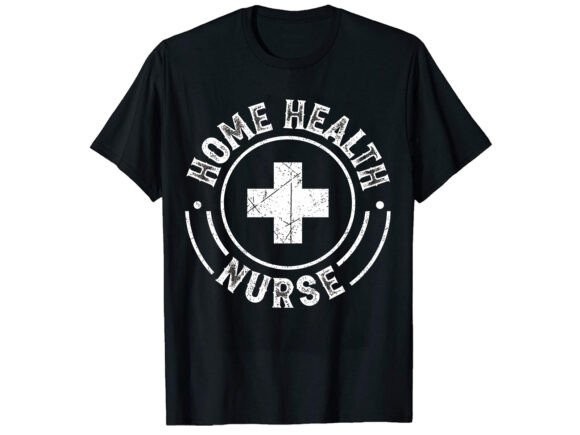
When you first look at the Home Health Nurse T-Shirt Design, it strikes a balance between clear professionalism and heartfelt warmth. This isn't a loud, cartoonish graphic; it feels dignified and sincere. The overall mood it creates is one of quiet strength and dedicated care, which is exactly the tone you want when honoring this profession. The layout is central and balanced, making it a natural focal point for an embroidered patch or a chest placement on apparel. From a designer's eye, the detail level appears manageable—not overly dense with tiny elements that might blur into a stitch soup, but with enough definition to convey the theme clearly. This visual personality tells me it’s geared more towards a thoughtful, personalized gift or a small shop product for healthcare workers, rather than a flashy promotional item.
The Natural Habitat for This Design
Let’s picture a real scenario. A client asks for a custom embroidered tote bag as a thank-you gift for a nurse who has provided exceptional home care for a family member. This design immediately comes to mind. Its thematic focus is perfect, and the scale of the provided file suggests it can be sized appropriately for a bag’s panel without losing integrity. Beyond tote bags, it naturally belongs on sweatshirts, caps, and aprons—items a nurse might actually use. I’d also consider it for a pillow cover or a tea towel in a healthcare-themed boutique. The inclusion of a mockup in the product bundle is a smart touch for Etsy sellers or digital product sellers creating previews, though for physical embroidery, our real-world finished product will be the ultimate test.
Performance on Actual Fabrics and Products
In practical embroidery project situations, success hinges on translation from digital graphic to stitched threads. For custom apparel like t-shirts and baby clothes (perhaps a gift for a new nurse-parent), the design's likely stitch density needs consideration. On thin or stretchy fabrics, a very dense fill stitch could cause puckering. The design seems to have areas of solid color which would typically use fill stitches, so using a proper stabilizer is non-optional here. On a hoodie or sweatshirt embroidery, with their more stable texture, it would likely perform beautifully, adding significant perceived value to the garment.
For craft business items like embroidered patches, the clear shapes and text elements are promising. However, the devil is in the details—specifically any tiny lettering or intricate corners. Before running this as an embroidery file on my machine, I would always test a small section on scrap fabric to see how those details render. This step is crucial for maintaining stitching clarity and, ultimately, customer trust in your handmade product quality.
Where This Design Demands Extra Caution
Some applications require a more careful approach. Small hoop sizes might compress the design’s elements too much, risking a loss of definition. Embroidering it on dark fabric requires a deliberate thread color strategy—light, contrasting threads to keep the message bright and readable. Curved surfaces like caps can distort flat graphics; adjusting the size and possibly simplifying very thin decorative accents might be necessary for a clean result on a curved baseball cap. Also, for products destined for frequent washing, like kitchen towels or aprons, ensuring the stitch structure is robust enough to withstand wear is key.
The Impact on Perception and Value
Choosing the right machine embroidery design directly affects the end product’s appeal. This Home Health Nurse design, when embroidered well, elevates a simple item. It creates a sense of professionalism and recognition, making it highly giftable. For a creative entrepreneur selling at a craft fair, an item adorned with this design tells a story—it’s not generic. That story enhances buyer engagement. It can also support brand consistency for a small business focusing on healthcare appreciation or personalized service gifts. The handmade presentation of embroidery adds a tactile, valued layer that a printed mug or sticker cannot match, though the design file supports those uses too.
A Designer’s Practical Notes Before Hooping Up
My process before committing this design to a client’s project or my own small shop merchandise always includes a checklist. First, I would test it on both light and dark fabric texture scraps to evaluate thread color contrast. I’d inspect the small details in the test run—are any lines too fine to stitch cleanly? I’d confirm the physical hoop size needed for my intended product, ensuring the scaled design fits without compromising edges. Since the product is categorized under Graphics and T-Shirt Designs, I must check the provided license details to confirm it’s suitable for both personal and commercial embroidery projects before selling finished items. This is a fundamental step for any digital embroidery file.
Finally, I consider versatility. The high-resolution PNG file means it’s useful for printable mockups to showcase the final product in my Etsy listings, but my primary interest is in its stitch potential. Does it feel like it would work as an applique design, perhaps with fabric layers for the main elements? Could the solid areas be smoothly rendered with satin stitches or broader fill stitches? These questions are answered only by hands-on experimentation. The design’s clean aesthetic suggests good results, but in embroidery, the proof is always in the stitching.
In summary, the Home Health Nurse T-Shirt Design presents a strong, thematic foundation for a range of meaningful projects. It leans towards applications where its dignified mood can shine—on gifts, apparel, and home goods for a community we deeply value. By approaching it with a practical, testing mindset, an embroidery designer can transform this digital asset into a physical product that carries real emotional and professional weight.