Evaluating the Pediatric Squad Nurse Design for Real Projects
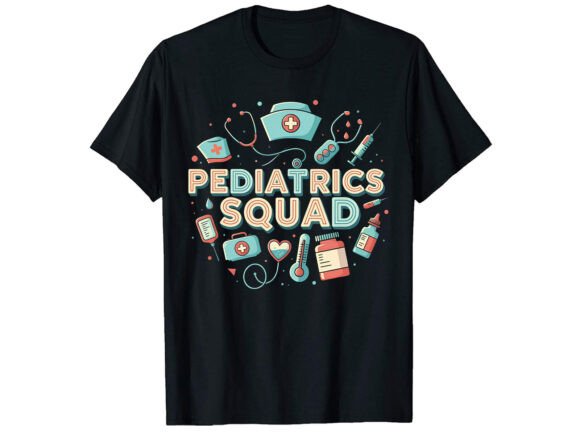
When a new embroidery file lands in my library, my first question is always: "Will this work in the real world?" I'm not just looking at pixels on a screen. I'm imagining thread meeting fabric, considering how a client will react when they see the finished piece, and picturing it on actual products. Today, I'm walking through that process with the Pediatric Squad Nurse T-Shirt Design, a graphic that clearly aims to capture a specific, heartfelt sentiment.
The First Impression: Friendly, Recognizable, and Full of Heart
Opening this design, the mood is immediately warm and professional. The theme is unmistakable—it’s a celebration of pediatric nursing. The layout is centered and balanced, making it a classic choice for apparel decoration. The detail level in the provided PNG file is high, which is promising. This visual personality isn’t overly cute or cartoonish; it feels respectful and appreciative. It naturally belongs to projects meant for nurses, healthcare celebrations, graduations, or thank-you gifts. It’s a design that speaks directly to a community.
A Natural Fit for Personalization and Gifting
My mind goes straight to a real-life scenario: a client requests a custom embroidered sweatshirt for their sister, a pediatric nurse, who just finished a tough rotation. They want it to feel special, not generic. This design fits that bill perfectly. I imagine stitching it onto a high-quality hoodie or a soft tote bag she can use for work. The clear, recognizable imagery would make the gift instantly understood and appreciated. For small business owners selling on Etsy or at craft fairs, this graphic taps into a niche with strong emotional resonance—think nurse appreciation week products, graduation gifts, or personalized items for healthcare workers.
Where This Design Shines in Embroidery Projects
Considering the embroidery file’s potential applications, its strengths are clear. For custom apparel like t-shirts and sweatshirts, it would be a central, statement piece. On a tote bag or apron, it becomes a functional yet meaningful decoration. I particularly like its potential for baby clothes or nursery decor items for nurse parents—a subtle, proud emblem. As an embroidered patch, it could be fantastic, adding versatility. The high-resolution nature suggests it could scale well for larger items like pillow covers or blankets, or be reduced for more delicate applications, such as a cap or a kitchen towel. The included mockup is a smart asset for digital product sellers, allowing for quick previews in listings.
Visual Appeal and Customer Trust
From a professional standpoint, using a clean, well-defined design like this enhances stitching clarity and the overall handmade presentation. When a customer sees a crisp, detailed embroidery on their item, it builds customer trust and perceived product value. For a craft business, consistency in output is key, and a solid design file is the foundation. This design’s clear theme aids in brand consistency for shops focusing on healthcare or appreciation products. Its giftability is high—it’s personal without being overly specific to one individual.
Practical Considerations and Areas for Careful Use
Now, for the practical embroidery designer notes. While the design has great potential, its application requires thoughtful planning. The detail level means you must be cautious with very small hoop sizes. Tiny lettering or intricate corners could lose definition if scaled down too aggressively. On textured fabrics or stretchy fabric, achieving clean edges will depend heavily on your choice of stabilizer and technique.
Working on dark fabric requires careful thread color contrast planning; you might need to adjust color palettes from the original PNG. Dense stitch areas, if present, need to be managed to avoid puckering, especially on thin fabric. Embroidering on curved surfaces like caps demands testing to ensure the layout remains balanced and legible. For products destined for frequent washing, like apparel, robust stitch construction is paramount.
Essential Steps Before You Stitch
My standard advice always applies. First, test the design on scrap fabric first. Use the same material you intend for the final project. This reveals how stitch density behaves and whether any small details blur. Check thread color contrast by reviewing the design in both black and white mockups or against your actual fabric backgrounds. Confirm your intended hoop size can accommodate the design at your desired scale. Inspect any potential tiny lettering to ensure it will be readable after stitching.
Most importantly, for anyone using this for commercial embroidery or selling finished products, you must confirm licensing before selling finished items or digital products. The product description provides formats but not explicit license terms. It is your responsibility to verify the usage rights for craft business or Etsy seller applications. Never assume.
The Final Assessment: A Strong Asset for Targeted Projects
In my evaluation, the Pediatric Squad Nurse T-Shirt Design stands as a strong, niche-focused design asset. It creates a mood of appreciation and professionalism. It is most valuable for makers and decorators serving the healthcare community, for creating personalized gifts, or for small shops with a thematic focus. Its real-world performance will depend on your skillful adaptation to fabric, scale, and thread. When handled with the practical precautions every embroidery project deserves, this design can translate into a beautiful, meaningful finished product that resonates deeply with its recipient. It’s a graphic that understands its purpose, and with careful execution, your embroidery can honor that perfectly.