Evaluating the ER Nurse T-Shirt Design for Real Embroidery Projects
As someone who has stitched countless designs onto everything from tote bags to baby bibs, I approach every new file with a practical eye. Today, I’m looking at the ER Nurse T-Shirt Design from a working designer’s perspective, thinking about how it would translate from a digital file into a tangible, stitched product you can sell or gift.
A First Impression of Strength and Quiet Respect
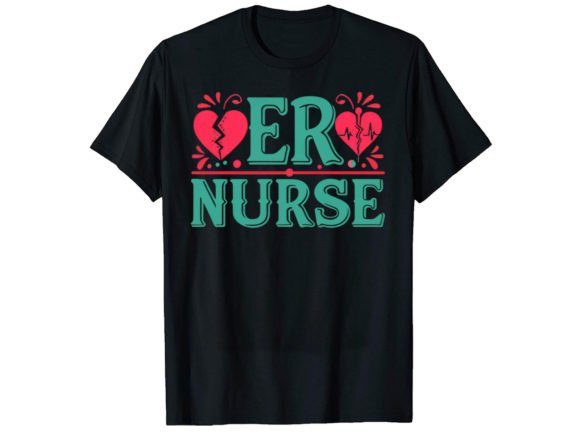
The immediate mood of this design is one of dignified recognition. It doesn’t shout; it states. The central theme is clear and focused, celebrating a profession without unnecessary frills. The layout feels balanced, offering a solid visual anchor that would work well as a single, impactful element on a garment or item. The detail level in the provided PNG appears clean and print-ready, which suggests good potential for embroidery conversion, where clarity is king. This isn’t a whimsical, playful graphic; it carries a visual personality of respect and professionalism, making it naturally belong to projects meant as heartfelt gifts, recognition items, or merchandise for healthcare supporters.
Where This Design Finds Its Home
Thinking through my own project queue, I can see this design fitting seamlessly into several real-life embroidery situations. It’s an obvious candidate for custom apparel like t-shirts and sweatshirts for a nursing team or a grateful family. But its application goes wider. Imagine stitching this onto a sturdy tote bag for an ER nurse to carry their essentials—the design’s substantive feel matches the product. For a personalized gift, a beautifully embroidered pillow cover or a tea towel in a home kitchen would carry the message with a handmade touch. I also picture it working well as a framed, embroidered patch or on the corner of a blanket.
For small business owners and Etsy sellers, this design could become part of a niche product line. It could adorn aprons, caps, or even be incorporated into holiday gifts for healthcare workers. The provided mockup is a useful starting point for creating your own product previews. The key is that the design’s theme is specific enough to attract a dedicated audience but versatile enough to be applied across different products, from digital product listings to physical craft fair merchandise.
Scenarios Where Extra Care is Needed
While the design has promise, its successful embroidery depends on mindful application. On very small hoop sizes, some elements might need simplification to maintain stitch integrity. Textured fabrics like some sweaters could obscure the clean lines. If applied to thin or stretchy fabric, a robust stabilizer strategy will be non-negotiable to prevent puckering.
Stitching this onto dark fabric requires a thoughtful thread color selection plan—you might need to adjust the digital colors for optimal contrast in physical thread. On curved surfaces like caps, the layout’s balance should be tested in a preview to ensure it sits well on the curvature. Any tiny lettering within the design must be evaluated for stitch clarity; dense satin stitch areas should be checked for density to avoid a stiff feel on softer items like baby clothes. And for products destined for frequent washing, such as kitchen towels or everyday apparel, the stitch structure and thread quality need to be chosen for durability.
The Stitched Impact: From Customer Trust to Giftability
When this design is embroidered well, its visual appeal leans on clarity and sincerity. A clean stitch-out enhances perceived product value and builds customer trust—it shows care in execution. For a handmade presentation, it offers a professional result that can elevate a simple item. For a creative entrepreneur, using such a design consistently on a line of nurse-themed products can aid brand consistency. Its inherent giftability is high; it speaks directly to a meaningful profession. That recognition factor drives buyer engagement, as customers seeking a tribute item will immediately understand and connect with the finished product.
Practical Designer Notes Before You Hoop It
Before committing this to a client project or your own merchandise, here are my grounded steps. Always test the design on scrap fabric first, ideally a similar material to your final product. This reveals how the stitch density behaves and if any details become lost. Check thread color contrast against your actual fabric background—don’t rely solely on the digital preview. Review the design in both black and white mockups to understand its form separate from color.
Confirm your intended hoop size can accommodate the design with clear results. Inspect any small details in the file to see if they will translate into viable stitches. Use the proper stabilizer for your fabric; this is not a step to skip. Crucially, check whether the design’s licensing allows for your intended use, whether for personal gifts or commercial embroidery projects selling finished items. The product description notes it’s a graphics file, so verifying the terms for reselling embroidered products is essential.
Finally, consider the overall project. Does the ER Nurse T-Shirt Design fit the item’s purpose? On a baby bib for a nurse’s child, it might be a sweet tribute. On a boutique’s high-quality sweatshirt, it could become a bestseller. Your successful embroidery project will hinge on pairing this clear, respectful graphic with the right product, thoughtful technique, and a true understanding of the audience who will cherish it.