OB Nurse Design: A Clean & Sentimental Embroidery Fit
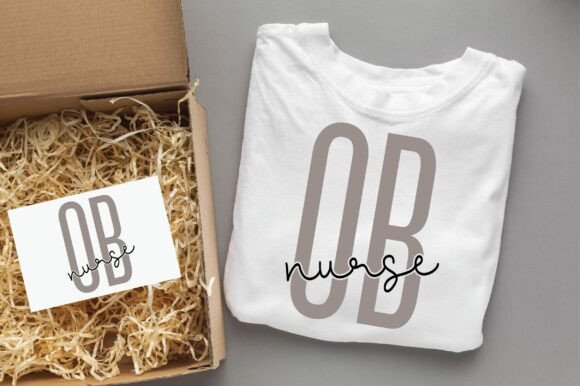
When an embroidery design lands in my studio for review, my first question isn't about file specs—it’s about character. What story does this graphic tell on fabric? The OB NURSE Occupation design immediately strikes a tone of quiet pride and heartfelt dedication. It’s not a loud, flashy badge; it’s a clean, illustrative statement that feels both personal and professional. The layout suggests a badge or emblem style, which inherently lends itself to classic embroidery placement: centered on a chest, sitting neatly on a shoulder, or framed on a bag flap.
The Mood It Creates On Stitched Products
This design has a sentimental core. It speaks directly to recognition and appreciation. In my mind, I’m already picturing it stitched onto a soft, heather-gray sweatshirt for a nurse finishing a long shift, or as a delicate touch on the corner of a baby blanket for a newborn’s first gift. It creates a mood of warmth and specialized care. For crafters and small shop owners targeting the nursing community, healthcare advocates, or families celebrating a birth, this visual personality is a strong starting point. It feels giftable.
Where This Design Excels In Real Projects
Let’s walk through a real scenario. Imagine you’re preparing a custom embroidered tote bag as a ‘thank you’ gift for a labor and delivery nurse. You want the item to feel durable, high-quality, and sincerely appreciative. This OB NURSE design, with its likely emblem-style outlines and text, would translate beautifully onto a canvas tote. The clean lines would allow for crisp satin stitch borders or a tidy fill stitch for the central elements. The high-resolution source files mentioned mean you can scale it confidently for a large, central motif on the bag without losing detail.
Similarly, for apparel decorators, this is a natural fit for relaxed-fit t-shirts, polo shirts, or the front of a cozy cap. It’s a statement that belongs on personal wear. For a boutique focusing on personalized products for professionals, this embroidery file could anchor a whole line—think aprons for nurse educators, pillow covers for a home office, or tea towels with a touch of profession pride. The design’s clarity would show well in digital mockups for your Etsy listings, giving customers a confident preview.
Practical Performance on Fabric & Thread
In actual embroidery, the success hinges on detail management. With any design featuring text and potential interior shapes, stitch density is key. The ‘OB NURSE’ lettering here will need to be checked in your machine software—if the letters are small and thin, they might require careful adjustment to prevent thread buildup or a ‘broken’ look in satin stitch. Always test on scrap fabric first, using a stabilizer appropriate for your final fabric. This step is non-negotiable.
For dark fabrics, you’ll want to ensure the design has enough ‘body’ to stand out; sometimes light-colored fill stitches can get visually lost. Testing in both black and white mockups (or on light and dark scraps) is a wise practice. On textured fabrics like some sweatshirt materials or woven blankets, the clean shapes should hold up well, provided your stabilizer choice controls the fabric’s pull.
Careful Considerations for Placement & Scale
There are places where I’d proceed with extra attention. Very small hoop sizes might compress the design’s elements too tightly, risking a loss of stitching clarity in any detailed corners. Stretchy fabrics, like on certain t-shirts, require excellent stabilization to keep the emblem looking neat after wear and wash. Similarly, curved surfaces like caps present a challenge for any design with a rigid, geometric layout—you’d need to assess how it distorts when mapped to a curve.
The product description notes SVG and PNG files, which are excellent for scaling. However, always confirm the actual usable embroidery file format (like .pes, .dst, etc.) provided or created from these source files before running your machine. Also, the mention of ‘commercial’ use isn’t explicitly defined here—it is crucial to confirm the licensing terms before selling finished embroidered items or using the design as part of your craft business’s digital product assets.
Why It Adds Value to Your Craft Business
From a business perspective, a design like this does more than decorate a product. It builds customer trust by showing you understand their niche—the nursing community. A well-embroidered, clean version of this on a sweatshirt elevates the handmade presentation from ‘generic’ to ‘meaningfully personalized.’ It enhances giftability and recognition, which directly supports buyer engagement in your shop listings.
For creative entrepreneurs selling digital embroidery files themselves, having a thoughtful, well-structured source design (like the high-resolution files noted) is a solid commercial asset. It allows you or your customers to create consistent, professional-looking finished products, which strengthens brand consistency for anyone in this niche.
My final, practical embroidery designer notes are straightforward. Test, test, test. Check thread color contrast against your final fabric. Review the stitch density in your software to ensure smaller details like any interior icons or fine lettering will stitch out cleanly. Confirm the hoop size you plan to use accommodates the design comfortably. And always, use proper stabilizer—it’s the unsung hero that makes a good design look excellent on the final product. This OB NURSE Occupation design has the foundational character to be a heartfelt addition to a project, provided you give it the careful, professional execution it deserves.