Nurse Wildflowers: A Design Review for Embroidery Makers
When I sit down to review an embroidery design, I'm not just looking at a file on my screen. I'm imagining it stitched out, worn, gifted, and sold. The Nurse Wildflowers Svg landed in my project queue recently, and I immediately started thinking about where it would shine in a real, tactile project. Here’s my practical take, from the perspective of someone who turns digital files into physical products daily.
First Impression: Where This Design Naturally Belongs
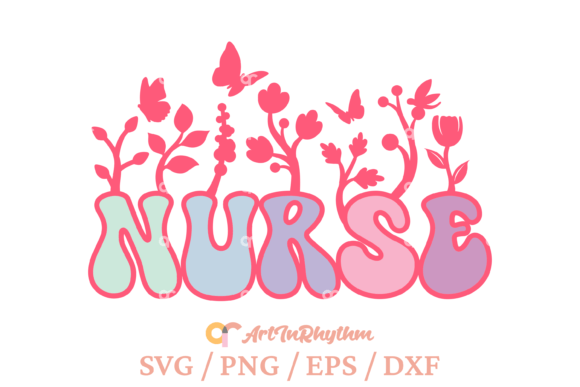
The name itself tells a story—Nurse Wildflowers. It’s a blend of profession and soft, natural beauty. The first thing I noticed was the overall composition. It has a gentle, illustrative feel, not overly clinical or harshly geometric. This creates a mood of appreciation and care. It feels like a design meant for a gift, for recognition, or for personal expression rather than just generic branding.
The layout suggests it would be a centerpiece. Given the description noting an average size around 11", this isn't a tiny corner accent. It’s a statement. My mind went straight to custom apparel like a cozy sweatshirt for a nurse after a long shift, or a thoughtful tote bag for a healthcare student. It also whispered personalized gifts: a beautifully embroidered pillow cover for a nursery nurse, or an apron for a home-care provider. The theme lends itself perfectly to holiday gifts or small shop merchandise in a boutique that caters to medical professionals or those who want to honor them.
Navigating Real Embroidery Situations
Let’s walk through a scenario. Imagine I’m preparing an order for a custom embroidered tote bag as a gift for a retiring nurse. I’ve loaded the Nurse Wildflowers Svg file. The vector nature (SVG, EPS, DXF noted in the download) is a good start for clean scaling in my software. The included PNG at 300dpi is excellent for creating printable mockups for my Etsy listing or client preview.
On a sturdy canvas tote, the design’s illustrative details would translate well into satin stitch for bold outlines and fill stitch for the floral elements. The level of detail seems balanced—not so minimal that it feels empty, nor so densely packed that it becomes a stitch density challenge on thinner fabrics. This is key for craft business efficiency. However, on a stretchy fabric like a t-shirt, I’d be cautious. The larger size and potential detail in the floral areas would require a very good stabilizer and possibly a lighter stitch setting to prevent puckering.
Where to Use with Care and Consideration
This design, with its likely larger elements and text integration, demands some practical forethought. On dark fabric, the visual appeal hinges on thread color contrast. A test on scrap fabric with your chosen palette is non-optional here.
If adapting it for a embroidered patch, the smaller details and any text within the "Nurse Wildflowers" theme need scrutiny. You must inspect how fine lines translate at a reduced size. Similarly, placing it on a curved surface like a cap requires careful positioning to ensure the lovely layout doesn’t get distorted by the seam.
For products destined for frequent washing—think baby clothes, kitchen towels, or everyday sweatshirts—the integrity of the stitches is paramount. A design with varied elements means varying stitch directions and densities. You must ensure your embroidery file settings produce a robust finished product that will withstand wear and maintain that handmade presentation your customer expects.
The Impact on Your Project and Your Customer
Using a design like this isn’t just about the stitch-out. It’s about the reaction it gets. A well-executed Nurse Wildflowers embroidery on a gift elevates the product value immediately. It feels specific and thoughtful, not generic. This builds customer trust and enhances giftability.
For a small business owner or Etsy seller, this design can serve as a core design asset for a line of products aimed at a niche audience. Its professional yet warm aesthetic supports brand consistency if you're focusing on healthcare appreciation or nature-themed personalization. In a craft fair setting, an embroidered tea towel or pillow with this design would have strong visual recognition, helping engage buyers quickly.
Practical Notes from the Hoop
Before you run this file, here’s my standard checklist for a design of this type:
- Always test the design on scrap fabric first, mirroring the final fabric texture (canvas, cotton, fleece, etc.).
- Check thread color contrast against your final background. Create both light and dark fabric mockups mentally or digitally.
- Review the stitch path in your software. Look for any overly dense areas or tiny corners that might need adjustment for your specific machine.
- Confirm your hoop size can accommodate the design at your intended scale. An 11" approximate height means you need a hoop that can handle that, plus room for stabilizer.
- Use the proper stabilizer for the project. A tote bag might need a firm cut-away, while a baby blanket might use a lightweight tear-away.
- If you intend to sell the finished physical items or use the design in commercial embroidery projects, you must confirm the licensing terms of this download. The listing states it's for creating your own projects, but the specifics for commercial use are not detailed here. It is your responsibility to verify this before selling.
- For digital product sellers, the included formats are valuable for creating previews. However, selling the file itself requires explicit commercial license permission.
The Nurse Wildflowers Svg has a clear and appealing purpose. Its strength lies in its thematic resonance and illustrative style, making it a candidate for meaningful, personalized projects. Your success with it will hinge on marrying that appealing digital design with solid, real-world embroidery practice—choosing the right fabric, the right stabilizer, and the right project context. When those align, it will stitch out into a product that truly feels both professional and full of heart.