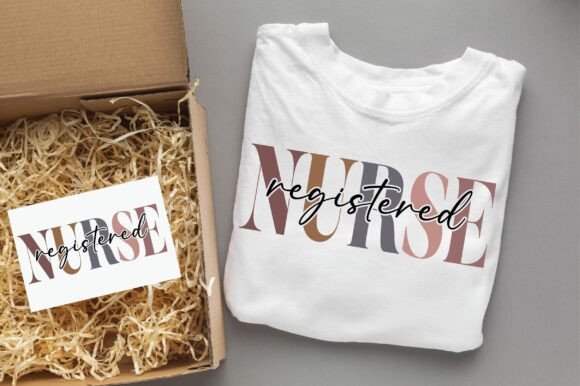
A Registered Nurse Design for Embroidered Recognition
Let's talk about using a 'Registered Nurse' graphic for embroidery. When I look at a design like this, I'm not just thinking about the file itself. I'm visualizing it stitched out onto fabric, how it will feel in a hands-on project, and what kind of product it will become. This particular design, with its clear occupational title, carries a weight of identity and pride. It's not a whimsical pattern; it's a statement.
The Immediate Mood and Practical Personality
The first impression is straightforward and professional. The design's strength is its clarity. For an embroidery project, this means the visual personality is built on recognition and respect. It creates a mood of dedication and service. The layout, given the description of high resolution and a substantial pixel size, suggests it should handle conversion to an embroidery file with clean lines, which is excellent. This isn't a design for subtle, decorative accents. It naturally belongs to projects meant for celebration, gifting, or personal wear that declares a profession.
Where This Design Finds Its Best Home
In real-life embroidery situations, this design shines on items meant for the nurse themselves or for those honoring them. Think custom apparel: a well-embroidered sweatshirt or a crisp polo shirt. A tote bag for carrying work essentials would be a fantastic, practical application. For gifts, consider a beautifully embroidered pillow cover for a nursery, a cozy blanket, or a decorative tea towel for a new graduate. As a handmade product in a small business, this could become a core item for an Etsy seller focusing on occupation-themed merchandise, especially around graduation seasons or Nurse's Week.
It also has strong potential as an embroidered patch, which could be applied to a backpack or a cap. The high-resolution source files imply the detail level should support this, allowing for clean edges in satin stitch or fill stitch areas. For crafters and apparel decorators, this design is a straightforward asset for creating products with immediate meaning.
Considering the Stitching Reality and Fabric Choices
Performance on the machine is key. A design with text like this requires attention to stitch clarity, especially on smaller items. Where you should use it carefully is on very small hoop sizes. Tiny lettering can become dense and lose clarity if the design isn't optimized for embroidery at a reduced scale. Always test on scrap fabric first.
Textured or stretchy fabrics will need proper stabilizer to keep the text sharp. On dark fabric backgrounds, thread color contrast is paramount; you'll want a bold, light thread or perhaps consider an applique approach with a lighter fabric base. The design might present challenges on curved surfaces like caps if the text layout is very horizontal—check the converted embroidery file's orientation. Also, for products that need frequent washing, like kitchen towels or baby clothes, ensure your stitch density is appropriate so it remains durable.
How Embroidery Elevates the Design's Value
Turning this graphic into a physical, stitched product transforms it. The handmade presentation adds a layer of care and value that a simple print cannot match. For a customer, an embroidered 'Registered Nurse' item feels more permanent and personalized. This builds customer trust in your craft business. It enhances giftability immensely, turning a digital graphic into a tangible token of appreciation. The professionalism of clean embroidery aligns perfectly with the profession being honored, creating a strong, cohesive brand consistency if you're selling a line of occupational designs.
Buyer engagement comes from that recognition. A well-executed embroidery project using this design speaks directly to a community, creating an immediate emotional connection. It's not a generic motif; it's an identifier.
Practical Notes for the Embroidery Designer
Before you run the machine, a few professional habits are essential. Always test the embroidery file on a scrap of your intended fabric. Review the stitch density in your conversion software—are the fill stitches too dense for lightweight fabrics? Inspect the small details in the lettering; are the corners of the letters defined well for stitching?
Compare how it will look on both light and dark backgrounds by creating simple black and white mockups; this helps plan your thread palette. Confirm your hoop size can accommodate the design at the size you want it to appear on the final product. Crucially, check the licensing provided with the original graphics files. The description mentions source files, but always confirm the terms before using it for commercial embroidery projects or selling finished items. Ensure it's cleared for your intended use, whether for personal gifts or small shop merchandise.
Remember, the beauty of a design like this is in its application. It's a graphic asset waiting to be transformed by thread and fabric. Whether you're preparing a custom embroidered tote for a nurse friend, creating a line of patches for a craft fair, or designing a holiday gift for a healthcare worker, the success lies in how you translate those clean digital lines into equally clean, respectful stitches.