A Designer's Review of the PACU Nurse Embroidery Design
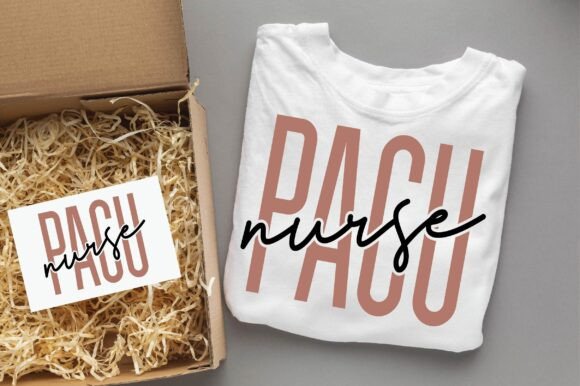
Whenever I consider a new design for embroidery work, my first question is always, "Does it have a clear purpose?" The PACU NURSE Occupation Svg Png Design answers that question immediately. It's not a generic graphic; it's a targeted, professional emblem. The mood it creates is one of respectful recognition and pride. The clean, bold text centered around the nurse iconography feels authoritative and warm. This isn't a casual doodle—it's a statement piece. Its visual personality is straightforward and confident, making it a natural fit for projects meant to honor or identify someone in this vital medical role.
Where This Design Finds Its Home
From a practical standpoint, this design belongs on items meant to be seen and appreciated. Imagine a client requesting a custom gift for a friend who just finished their PACU training. An embroidered tote bag for carrying work essentials, or a high-quality sweatshirt for cooler hospital shifts, would be perfect applications. The scale of the design, inferred from the high-resolution file size, suggests it could beautifully anchor the center of a pillow cover for a cozy nursing student's dorm room or become a standout embroidered patch on a work jacket.
For small business owners, especially those in the custom apparel or personalized gift niche, this design is a ready-made asset. It caters to a specific, passionate community. Crafters making items for hospital fundraisers, boutique shops offering professional-themed merchandise, or Etsy sellers creating "Nurse Life" collections will find this design instantly usable. The clarity of the graphic means it would also perform well in digital product previews and printable mockups, helping sellers showcase the final product effectively.
Considering the Stitched Reality
How does this translate to the actual hoop? The provided file formats—SVG and high-resolution PNG—are excellent foundations. The SVG file is crucial for clean scaling in software before creating the machine embroidery file. The large pixel dimensions promise that details, like the lettering and the nurse cap icon, should hold their integrity when digitized for stitching. This is key for maintaining stitching clarity.
My instinct is that this design would excel with a combination of techniques. The bold text areas are ideal for a smooth satin stitch, giving a professional, filled look. The finer lines and the nurse symbol might be best rendered with a running stitch or a lighter fill stitch to avoid bulk. The overall stitch density needs careful planning; a very dense fill on a large area on a lightweight t-shirt could lead to fabric puckering. On a sturdy tote bag or apron, however, it would be magnificent.
Spots Where a Little Caution is Wise
While the design is strong, its application requires some forethought. On very small items, like a baby's hat, the detailed lettering might become too fine and lose readability unless significantly simplified. Embroidering on dark fabric necessitates a thorough thread color contrast check—a white or bright silver thread would be essential here.
Textured fabrics like some sweaters, or stretchy fabrics like polo shirts, demand the correct stabilizer to keep the design's clean lines from distorting. Similarly, curved surfaces like caps require careful digitizing to accommodate the shape. The design's professional tone enhances product value and customer trust when used appropriately, but placing it on an overly casual or incongruous item might undermine that.
The Impact Beyond the Stitches
This is where the designer's eye sees the real potential. A well-executed embroidery of this design on a gift isn't just decoration; it's a token of respect. It conveys recognition and professionalism. For a craft business, offering this as a customizable item speaks directly to a niche audience, boosting buyer engagement. The handmade presentation of an embroidered item, versus a printed one, adds a layer of care and permanence, increasing its giftability. For a PACU nurse receiving it, it's a personalized badge of honor.
Practical Notes Before You Hoop It Up
My standard advice for any design like this is to run a practical test. Always test the design on scrap fabric first, using a similar material to your final project. This reveals how the fabric texture interacts with the stitches and allows you to adjust thread colors or density. Check the licensing terms provided by the seller—confirm whether it's cleared for commercial embroidery and selling finished products before you list it in your shop.
Since exact hoop size requirements aren't specified in the description, you'll need to determine that in your digitizing software based on your project scale. Also, inspect the small details in the provided PNG file. Are the lines of the nurse icon clear and separate? This will inform how you set up the stitch paths. Doing a simple black and white mockup can help you visualize the final form without color distractions.
In a real-life scenario, I picture preparing a set of embroidered kitchen towels as a holiday gift for a nursing team. The PACU nurse design, stitched neatly on the corner, would be a functional yet deeply appreciative gesture. The design's inherent dignity makes it suitable for such a thoughtful project. It’s a digital embroidery file that, with careful preparation, translates into a physical item with significant meaning and visual appeal. That’s the mark of a design worth adding to your library.